
RamJet Stationary Compactor in California
Cut it down. Break it up. Do it right — with Size Reduction Equipment from The Mark Costello Co.
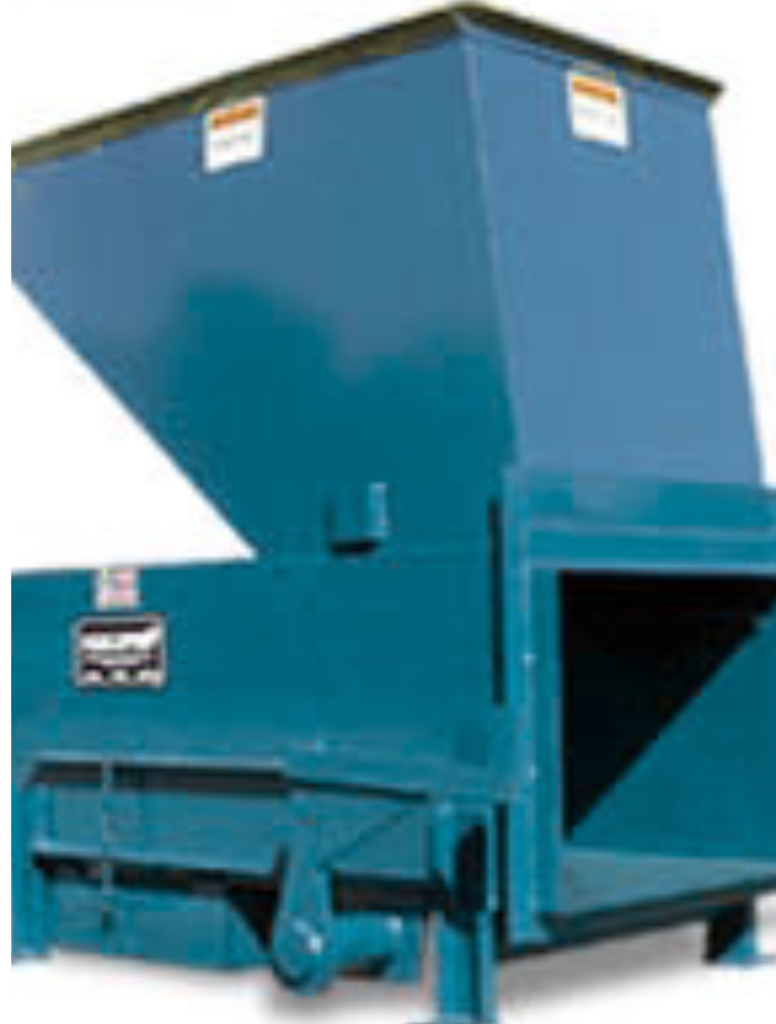
RamJet Stationary Compactor in California: The Trusted Choice for High-Volume Waste Management
Businesses across California that generate large volumes of trash, cardboard, or industrial byproducts eventually reach a point where dumpsters and roll-off bins simply can’t keep up. That’s the moment a heavy-duty stationary compactor becomes a necessity rather than a luxury, and few names carry the reputation in this space that RamJet does. A RamJet stationary compactor in California isn’t just a piece of equipment bolted to a loading dock; it’s an engineered system built to reduce hauling frequency, cut disposal costs, and keep operations running cleanly day after day. Below, we break down what makes this equipment line so widely used throughout the state, how it works, who benefits most from it, and what to consider before bringing one onto your property.
What Is a RamJet Stationary Compactor and How It Works
A stationary compactor is a fixed, heavy-gauge steel machine that sits in place at a facility and compresses waste materials inside a connected receiver box or container.
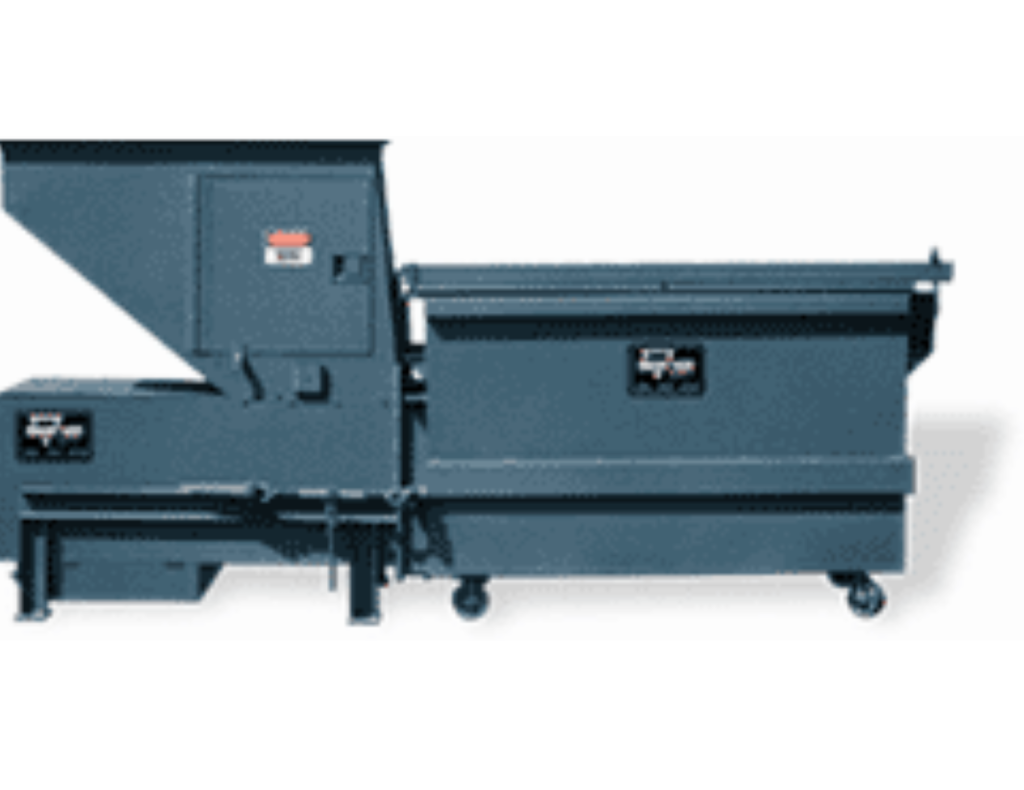
Unlike self-contained units that combine the compactor and the container into one sealed body, a stationary system pairs a powerful hydraulic ram with a separate detachable container, which is hauled away and exchanged once full.
The RamJet line is built around this principle, using a heavy steel ram driven by a hydraulic power unit to push trash through a charge box and into the attached container with consistent, repeatable force.
What sets a RamJet stationary compactor in California apart from generic equipment is the build quality behind every unit. These machines are constructed with reinforced steel frames, abrasion-resistant ram faces, and guide systems designed to handle years of continuous, heavy-duty cycling without warping or excessive wear. Power units are typically side-mounted or top-mounted, depending on the model, and most systems run on a simple two-button control panel that lets even untrained staff operate the machine safely. Because the unit is stationary, it can be tied directly into a loading dock, trash chute, or slider bed conveyor system, which makes it especially practical for facilities that generate waste continuously throughout the day rather than in occasional batches.
Capacity varies by model, ranging from compact units like the 2.5 cubic yard RJ-275 up through larger 5.5 cubic yard systems, giving facility managers flexibility to match haul frequency with actual waste output instead of guessing at capacity needs.
Cycle time is another factor that often gets overlooked during the selection process. A compactor with a faster ram cycle can process a higher volume of waste during peak hours, which matters for facilities like grocery distribution centers or large food service operations where trash arrives in bursts rather than a steady trickle throughout the day. Slower cycle times aren’t necessarily a problem for lighter-volume sites, but they can create bottlenecks at properties where multiple loading docks or trash chutes feed into a single compactor during the same window of time. Matching ram speed and motor horsepower to actual throughput needs, rather than simply choosing the largest available unit, tends to produce the best long-term value.
Why California Businesses Choose This Equipment
California presents a unique set of pressures that make stationary compactors particularly valuable. Waste hauling costs in the state are among the highest in the country, landfill diversion mandates continue to tighten under state recycling and organics legislation, and many municipalities enforce strict rules around container placement, odor control, and pest management near commercial properties. A RamJet stationary compactor in California operators install directly addresses these pressures by dramatically reducing the volume of waste that needs to be transported, which in turn reduces the number of hauls required each month.
Fewer hauls mean lower disposal bills, less truck traffic around a facility, and a smaller carbon footprint tied to waste removal. For multi-tenant properties such as apartment buildings and condo complexes, shopping centers, and office parks, compaction also solves a recurring headache: overflowing dumpsters that attract complaints, pests, and code violations. Retail distribution centers, grocery and food processing facilities, manufacturing plants, hospitals, and hospitality properties throughout the state all rely on this style of equipment because it handles high tonnage without requiring constant supervision.
There’s also a practical economic argument. Compacted waste takes up far less space inside a container, which means a single haul can carry away what would otherwise require several trips with loose, uncompacted trash. Over a year, that difference adds up to thousands of dollars in avoided hauling fees, which is one of the biggest reasons facility managers across the state continue to specify this equipment when upgrading their industrial waste compactor systems.
Why Choose Us
Decades of Experience
Mark Costello has been a trusted name in waste management for decades, delivering reliable and effective solutions that businesses count on.
Cutting-Edge Technology
Using the latest technology, We ensures that waste management systems are efficient and up to industry standards, from food digesters to compactors.
Customized Solutions
At Mark Costello,we provides tailored waste management solutions that fit each business’s unique needs, ensuring a smooth integration into existing operations.
Focused on Sustainability
Mark Costello is dedicated to helping businesses achieve their sustainability goals by turning waste into valuable resources, supporting a greener future.
Key Features That Set This Equipment Apart
Several engineering details distinguish a well-built stationary compactor from lower-quality alternatives, and they matter especially in California’s demanding commercial environment.
Ram and guide system design is the first place where quality shows. A properly engineered ram travels on a guided track that keeps it perfectly aligned with the charge box opening on every cycle, preventing the binding and premature wear that plague poorly designed units. Heavy-duty models also use thicker steel in the ram face and charge box walls, which matters enormously for facilities compacting dense or abrasive waste streams like food packaging, glass, or construction debris.
Power unit placement and hydraulic design come next. Side-mounted power units keep the motor and hydraulic components protected from the compaction chamber while remaining accessible for routine service, a detail that reduces downtime and extends equipment life. Reliable hydraulic systems also maintain consistent ram pressure cycle after cycle, which is what actually delivers the compaction ratios facilities are counting on when they invest in this equipment.
Safety and control systems matter just as much as raw power. Two-button operation, photo-eye safety sensors, and interlocked container connections are standard expectations on quality units, ensuring that staff can operate the machine confidently without unnecessary risk. Many facilities also pair their compactor with a TrashMinder fullness-monitoring system, allowing managers to schedule hauls based on actual fill level rather than guesswork, which further trims unnecessary pickups.
Finally, container compatibility and customization options round out what separates a genuinely useful installation from a generic one. Detachable containers ranging from a few cubic yards up to high-capacity transfer units allow a facility to scale its system as waste volume grows, without replacing the compactor itself. This modularity is part of why so many California operations choose this category of equipment over fixed self-contained compactor alternatives: the compactor stays in place permanently while only the container changes hands during a haul.
Send Us a Message
Send us a message with your questions or concerns and our team member will contact you. We’d love to hear from you.
Trusted by Those We Serve
Frequently Asked Questions
High-volume waste generators see the fastest payback, including apartment and condo complexes, grocery stores, distribution centers, manufacturing plants, hospitals, hotels, and shopping centers. Any property generating multiple dumpsters’ worth of trash per week is a strong candidate for this style of equipment.
How much can a stationary compactor actually reduce hauling costs?
Reductions vary by waste stream and current hauling frequency, but it’s common for facilities to cut the number of monthly hauls by half or more once waste is compacted, since a single load can carry significantly more material than loose trash in an open container.
What size compactor does a typical commercial property need?
Sizing depends on daily waste volume, container availability, and how often a property wants to schedule hauls. A facility manager should track actual waste output over a few weeks before selecting a model, since both undersizing and oversizing create unnecessary costs.
Is a RamJet stationary compactor in California better than a self-contained unit for wet waste?
It depends on the waste stream. Stationary units paired with detachable containers tend to suit dry, high-volume waste like cardboard and general trash, while self-contained units are usually preferred for wet or odor-prone waste because they fully enclose the material. A qualified equipment supplier can help determine which configuration fits a specific property’s needs.
How often does this type of equipment require maintenance?
Most manufacturers recommend a hydraulic and mechanical inspection on a quarterly to semi-annual basis, with hydraulic fluid changes on a longer interval depending on usage intensity. Facilities running near-continuous cycles need more frequent attention than lower-volume sites.