
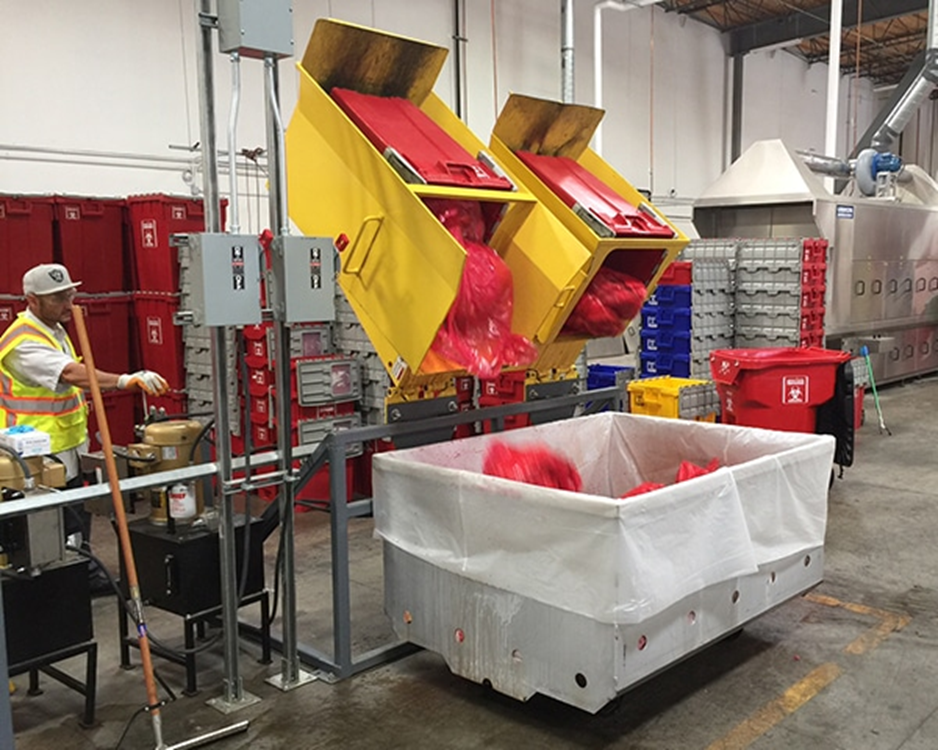
Every red bag that leaves a hospital carries a hidden story. Inside sits a mix of soiled dressings, used sharps, lab cultures, and other materials that can spread infection the moment someone handles them carelessly. A hospital waste autoclave system rewrites that story at the source, because it neutralizes dangerous pathogens inside the building long before a single bag ever reaches a collection truck. Most people walk past that sealed steel chamber without a second thought, yet the work happening inside protects staff, patients, and the surrounding community every single day. So what really goes on behind that door, and why does treating waste on-site matter so much?
The Real Danger Hiding in Hospital Waste Bins
A busy hospital generates a constant stream of biohazardous material. Think blood-soaked gauze, surgical trimmings, contaminated gloves, used needles, and live laboratory cultures. Until something treats that material, every bag stays potentially infectious, and a torn liner, a careless lift, or a single needle stick can expose a nurse, a custodial worker, or a hauler to serious illness.
Federal rules exist precisely because these risks are real. The OSHA Bloodborne Pathogens standard spells out how facilities must handle materials that may carry blood or other infectious fluids, and it places the responsibility squarely on the employer. Volume only raises the stakes, since a mid-sized hospital can fill dozens of containers a day. The goal of any strong waste program is simple. Render that material harmless as early as possible, ideally before it ever leaves the loading dock.
What Actually Happens Inside the Chamber
An autoclave works on a principle that sounds almost too simple. Saturated steam, high heat, and pressure together destroy living organisms. The cycle starts when the unit seals the load and forces the air out, because trapped air creates cold pockets where pathogens can survive. Once the air is gone, pressurized steam floods the chamber and drives the temperature up to roughly 250 to 270 degrees Fahrenheit.
Pressure does the heavy lifting here. It lets steam reach deep into bags, around dense loads, and into the hollow centers of tubing, so heat touches every surface. The unit then holds that temperature long enough to kill bacteria, viruses, fungi, and the tough spores that ordinary disinfectants leave behind. Built-in monitoring tracks temperature and time across the full cycle, and many facilities add chemical indicators and biological spore tests to confirm the load reached true sterilization. You can see how this technology fits into a complete setup on the medical waste autoclaves page, which sits alongside the broader range of medical waste sterilizers built for healthcare environments.
It helps to picture a single cycle from start to finish. An operator loads the chamber, seals the door, and starts the run. The unit first conditions the load by pulsing steam to push out trapped air, then it ramps up to the target temperature and holds it for a set exposure time. After the hold, the chamber vents and the pressure drops back to normal, so staff can safely remove the load. The whole sequence usually takes under an hour, and a busy facility runs several cycles a day. Because the machine controls each stage automatically, the outcome stays consistent from one load to the next, which is exactly what a hospital needs when lives depend on the result.
Consistency also makes record-keeping simple. Every cycle produces a printout or digital log that captures the temperature curve and the time held, so a facility can show, load by load, that its waste reached true sterilization. That trail matters during inspections, and it gives infection-control teams confidence that nothing slipped through. A reliable autoclave does not just treat waste; it documents its own work, which removes a great deal of guesswork from the entire operation.
Why Treating Waste On Site Beats Shipping It Out
Off-site disposal means someone hauls untreated, infectious waste across public roads, often several times a week. Every one of those trips adds cost, paperwork, and liability. On-site treatment flips that model. Once an autoclave finishes its cycle, the load becomes non-infectious solid waste that a facility can compact and dispose of through normal channels, which slashes the number of specialized pickups.
The benefits stack up quickly. Hauling invoices shrinks, the chain of custody gets shorter and safer, and staff no longer wait on a third party to clear a growing pile of red bags. A complete approach often pairs sterilization with size reduction so the treated material takes up less space, and the medical waste disposal systems Mark-Costello designs bring those steps together. Facilities that want the full picture of how heat-based treatment integrates with daily housekeeping can explore hospital waste sterilization in more detail. The federal view reinforces the value of early treatment, too, since the EPA notes that the disease-causing potential of medical waste is greatest right at the point where it is generated.
Signs Your Current Setup Is Falling Behind
Equipment ages, and waste volumes climb, so a system that worked five years ago may quietly cost you today. Watch for a few telltale signs. Hauling invoices keep creeping upward, cycle times stretch longer than they used to, breakdowns interrupt the workflow, and documentation gaps start showing up during inspections. Any one of these points to a setup that no longer matches the facility, and it usually signals a good moment to reassess capacity, reliability, and treatment validation before a small problem turns into a compliance headache.
Where an Autoclave Fits in the Bigger Waste Picture
Sterilization rarely works alone. The strongest hospital programs surround the autoclave with a few supporting steps that make the whole operation smoother. Carts and lift systems bring waste to the unit without heavy manual handling, size reduction shrinks the treated load so it takes up less space, and clear staging keeps treated and untreated material from ever mixing. When these pieces work together, the autoclave becomes the center of a clean, predictable flow rather than a standalone box in the corner.
Staffing matters just as much as hardware. A system is only as good as the people running it, so simple controls, clear training, and dependable service support all keep a program on track. Equipment that breaks down or confuses new hires quickly becomes a weak link, and that is where compliance slips. The best results come when reliable machinery and well-trained staff reinforce each other, day after day, with minimal drama.
Bringing It All Together
A hospital waste autoclave system does far more than tidy up a back room. It protects the people who handle waste, it lowers the long-term cost of disposal, and it keeps a facility on the right side of strict health and safety rules by neutralizing threats at the source. When sterilization happens inside the building, infectious risk drops the moment a cycle ends, and that single shift makes the entire operation safer and easier to manage.
About The Mark-Costello Co.
Since 1956, The Mark-Costello Co. has designed, supplied, and serviced on-site waste treatment systems for hospitals, laboratories, and large institutions across the country. The team installs proven autoclave-based sterilization equipment, including the AS510 Waste Sterilization System, and backs every project with engineering support, training, and parts. If you want to know whether on-site treatment fits your facility, start with a free waste disposal audit, and the Mark-Costello team will help you map out a safer, more cost-effective path forward.
Frequently Asked Questions
How hot does a hospital waste autoclave actually get?
Most medical autoclaves run cycles in the range of 250 to 270 degrees Fahrenheit, using pressurized steam so the heat penetrates dense loads and hollow items. The temperature, pressure, and hold time work together to destroy bacteria, viruses, and resistant spores.
Can a hospital treat all of its medical waste on site?
Autoclaves handle most biohazardous and infectious waste streams, including sharps and cultures. Some specialized categories, such as certain chemotherapy or chemical wastes, may need separate handling, so facilities usually combine on-site sterilization with the right disposal partners for those exceptions.
How do you know the sterilization cycle actually worked?
Modern units log temperature and time for every cycle, and operators add chemical indicators plus periodic biological spore tests. When the spore test shows no growth, it confirms the load reached true sterilization conditions.
Is on-site autoclaving really cheaper than off-site disposal?
For many facilities, yes. Treating waste in the building reduces the number of specialized pickups, shrinks hauling invoices, and lowers transport liability. A waste audit can show the projected savings based on your actual volumes.

Michael Kelleher is an experienced content strategist at The Mark-Costello Co, with over five years of expertise in creating compelling, data-driven content for diverse industries. His focus on delivering high-quality blog posts and content strategies has helped businesses elevate their online presence and connect with their target audience effectively.