
Industrial Granulator Machine
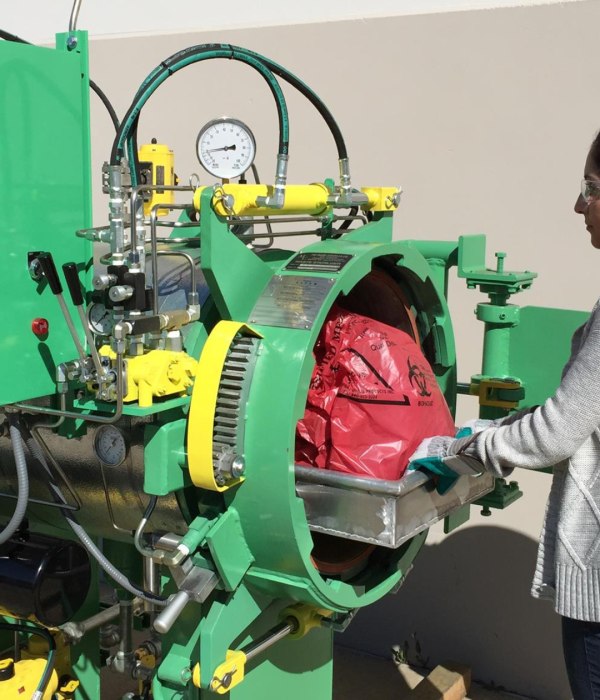
Introduction to the Industrial Granulator Machine
In today’s manufacturing and recycling environment, firms face increasing pressure to manage waste, reclaim valuable materials, and optimize throughput while maintaining safety and compliance. An industrial granulator machine serves as a pivotal piece of equipment in this effort, transforming scrap plastics, parts, trim, and runners into consistent granules ready for reuse or resale.
At The Mark-Costello Co., we design our granulator systems to integrate seamlessly into your workflow, delivering high performance with minimal downtime.
This machine doesn’t just reduce size; it enables a smarter material-reuse strategy. Instead of sending scrap off-site for disposal, you can convert it on-site, reducing transport costs, lowering virgin resin usage, and improving your environmental footprint.
Whether you run injection-moulding lines, extrusion operations, or recycling loops, the industrial granulator machine becomes a centrepiece of sustainability and cost control.
In the following three sections, we’ll explore:
How the machine works and key design features.
Benefits and applications across industries.
Key selection, installation, and maintenance considerations to ensure you get maximum value.
How the Industrial Granulator Machine Works & Key Design Features
The core function of an industrial granulator machine is to convert larger plastic parts or scrap into uniform granules. Unlike a simple shredder, a granulator uses precise shearing with a rotor and stationary knives to produce clean, even granules that are suitable for re-processing. For example, The Mark-Costello Co. notes that “granulators rely on a shearing action created by precisely machined rotating and stationary knives” to deliver consistent size and clean edges.
Key design features to look for
Heavy-duty rotor assembly & high-quality knives: The blades must endure tough, abrasive applications (for example, film, thick molded parts, or off-cuts). Durable construction makes a difference in uptime and maintenance.
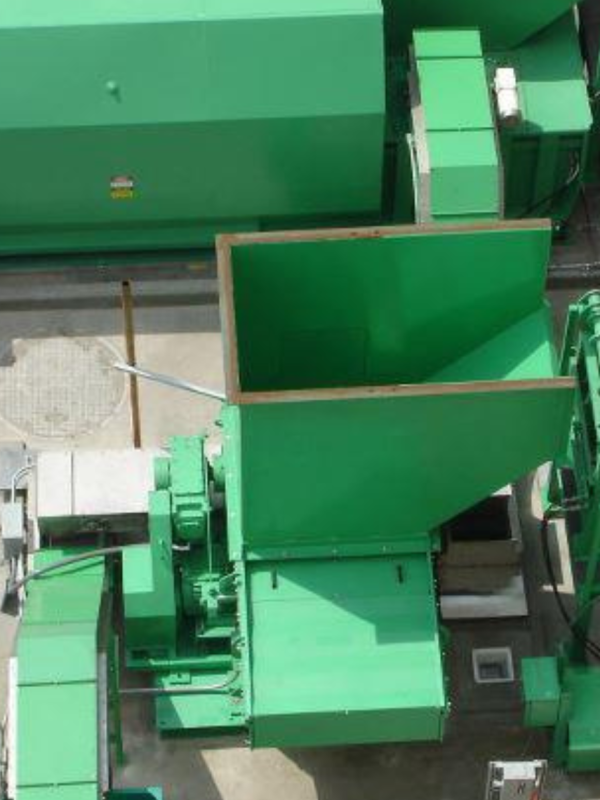
Feed throat and hopper design: A well-engineered feed system allows consistent material flow and minimises bridging or clogging. Inline feed from a press or conveyor improves efficiency.
Screen or granule-size control: A screen or grate under the cutting chamber determines particle size and helps ensure uniform output. Uniform granules improve downstream processing.
Why Choose Us
Decades of Experience
Mark Costello has been a trusted name in waste management for decades, delivering reliable and effective solutions that businesses count on.
Cutting-Edge Technology
Using the latest technology, We ensures that waste management systems are efficient and up to industry standards, from food digesters to compactors.
Customized Solutions
At Mark Costello,we provides tailored waste management solutions that fit each business’s unique needs, ensuring a smooth integration into existing operations.
Focused on Sustainability
Mark Costello is dedicated to helping businesses achieve their sustainability goals by turning waste into valuable resources, supporting a greener future.
Benefits & Applications of the Industrial Granulator Machine
Installing an industrial granulator machine offers multiple benefits, operational, environmental, and financial. Below are key advantages and common applications.
Benefits
Reduced virgin material usage: By reclaiming scrap and converting it into reusable granules, manufacturers can dramatically reduce the need for fresh resin, lowering costs and improving margins.
Lower waste haul-away and landfill costs: Scrap that would otherwise be sent off-site can be processed in-house, reducing disposal logistics and compliance burdens.
Improved material control and quality: Granules produced in-house allow better traceability, reduced contamination risk, and consistent feedstock for downstream processes.
Enhanced sustainability credentials: With circular material flows, companies can showcase waste-reduction efforts and meet corporate sustainability goals. The Mark-Costello Co. notes that its systems help support “broader operational goals … achieving zero-waste targets.”
Operational efficiency and clean workflow: Integrating a granulator inline with production means you minimise handling, reduce scrap piles, and maintain a cleaner, safer manufacturing floor.
Applications
Injection moulding operations: Runners, sprues, and molded rejects can be re-ground to granules and fed back into the process.
Extrusion and film trimming: Film scrap, tailings, and off-cuts from film lines can be granulated and reused or sold.
Plastic parts manufacturing and trimming: Large molded parts or trimming waste can be processed into uniform granules for reuse.
Recycling operations: Facilities that handle post-consumer or post-industrial plastics can leverage granulators to reduce material size and prepare for washing, pelletizing, or re-usage.
Send Us a Message
Send us a message with your questions or concerns and our team member will contact you. We’d love to hear from you.
Trusted by Those We Serve
Frequently Asked Questions
What materials can be processed using a plastic granulator machine?
Most thermoplastics can be processed using a granulator, including HDPE, LDPE, PP, PET, ABS, and PVC. The specific machine configuration depends on material properties like density, elasticity, and abrasiveness
How is a granulator different from a plastic shredder or grinder?
A shredder is used for coarse size reduction and is ideal for bulky or mixed materials. A grinder may pulverize material more finely. A granulator, on the other hand, produces uniform-sized granules with clean edges that are ready for reprocessing—making it ideal for closed-loop manufacturing systems.
How much noise does a plastic granulator produce during operation?
Granulators can be loud, especially high-capacity units. However, our machines are designed with sound-insulated housings and vibration-reduction features. Optional enclosures and silencers are available for noise-sensitive environments.
Can a granulator be integrated into an automated production line?
Absolutely. The Mark-Costello Co. provides integration services including automated feeding, PLC control systems, and remote monitoring. We design systems that work inline with molding, extrusion, or trimming equipment.
What size granules can the machine produce?
Typical output sizes range from 1/8 inch (3mm) to as small as 3/64 inch (1.2mm), depending on the screen used. We’ll help you select the right screen for your application to ensure compatibility with downstream equipment.
What kind of maintenance is required for a plastic granulator?
Regular blade inspection and sharpening, screen cleaning, and bearing checks are essential. Our machines are built for easy maintenance, and we offer