
Blog
Does Your Facility Truly Have the Regulated Waste Compliance Equipment That Auditors Expect to See
Imagine an inspector walks through your door tomorrow morning, clipboard in hand, ready to review every step of how you…
Read Article →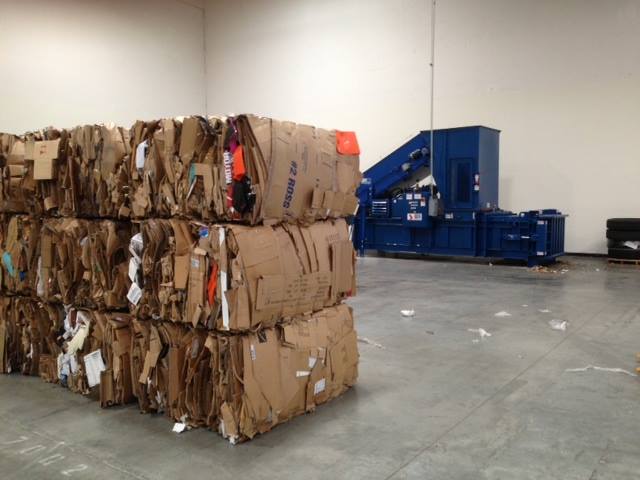
Choosing Biotech Waste Disposal Systems That Keep Pace With Research Labs and Strict Containment Demands
Research moves fast, and so does the waste it leaves behind. One week, a lab runs routine cell cultures; the…
Read Article →What Makes Pharmaceutical Waste Processing Equipment Different From Standard Medical Waste Handling
It is easy to assume every type of medical waste gets treated the same way. Bag it, sterilize it, dispose…
Read Article →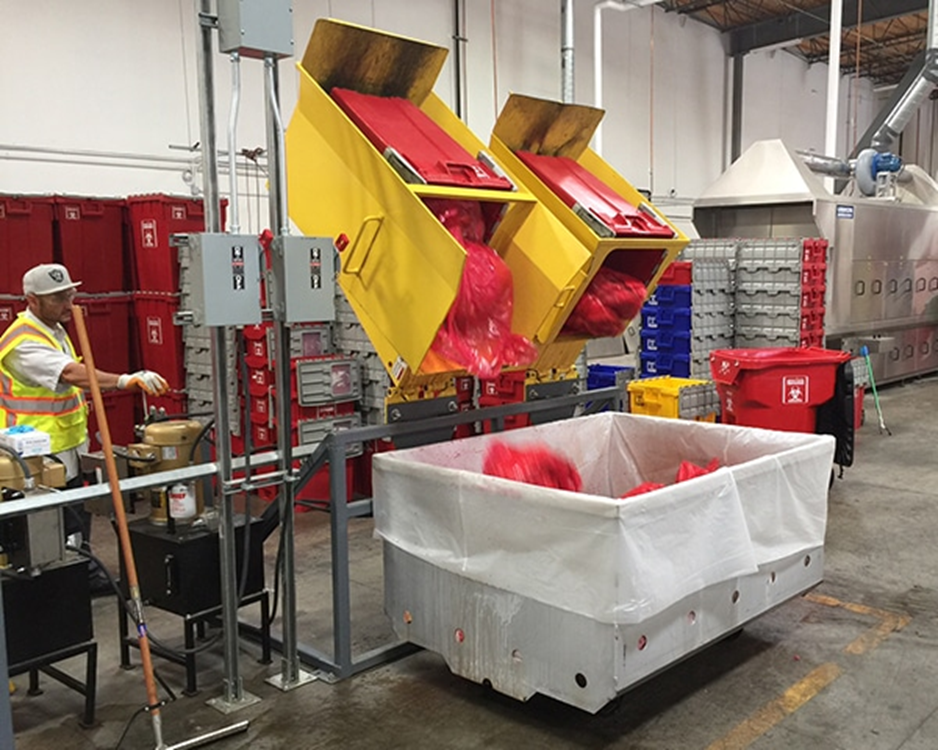
How a Hospital Waste Autoclave System Destroys Dangerous Pathogens Before Waste Ever Leaves the Building
Every red bag that leaves a hospital carries a hidden story. Inside sits a mix of soiled dressings, used sharps,…
Read Article →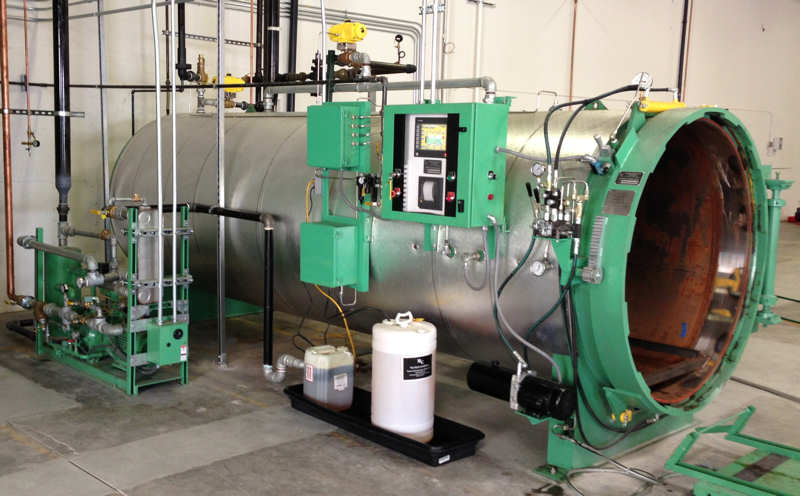
How to Choose the Right Medical Waste Sterilizer for Your Hospital or Clinic
Buying a medical waste sterilizer is not a decision most healthcare administrators make twice. The equipment runs for decades, shapes…
Read Article →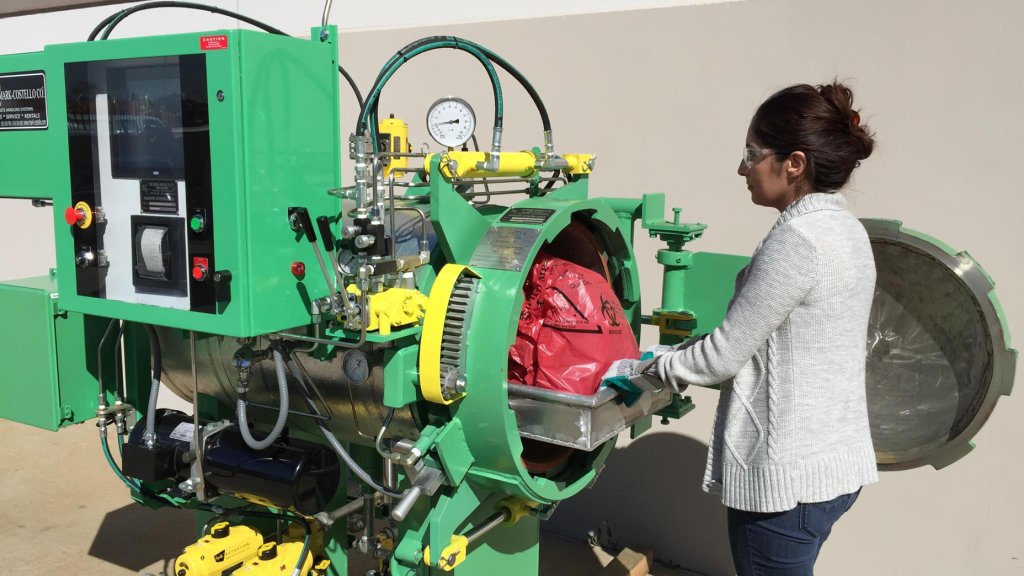
What Is a Self-Contained Compactor and When Should You Use One?
If your facility deals with wet, heavy, or odor-producing waste, a standard stationary compactor will cause problems fast. Leaking liquid,…
Read Article →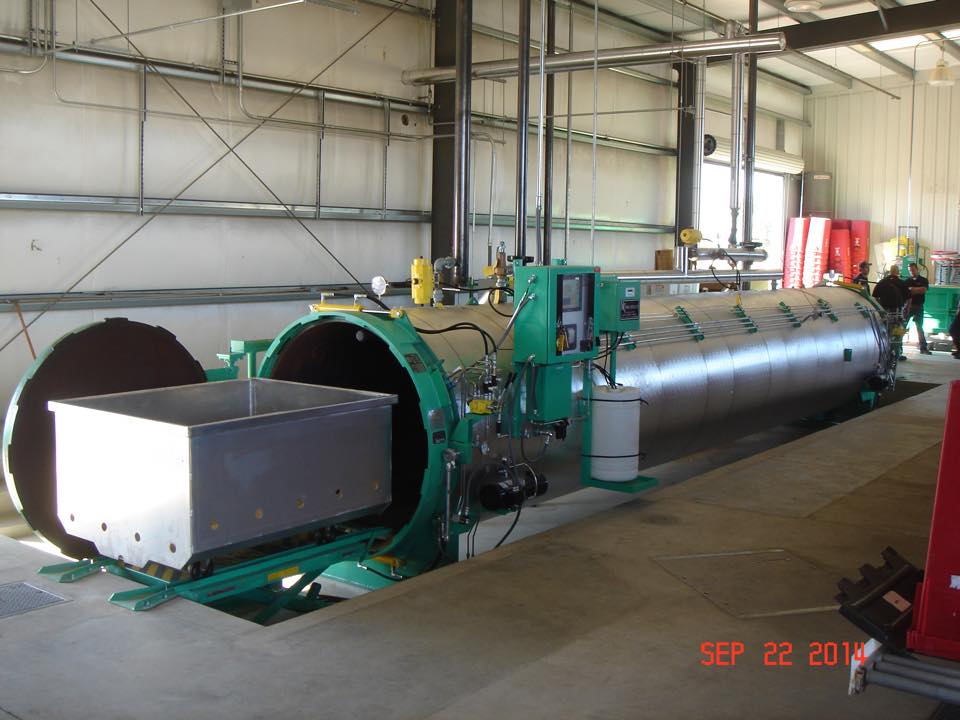
On-Site Medical Waste Sterilization: How Hospitals Can Cut Treatment Costs by Thousands
Every month, hospitals across the country write large checks to third-party medical waste haulers without questioning whether there is a…
Read Article →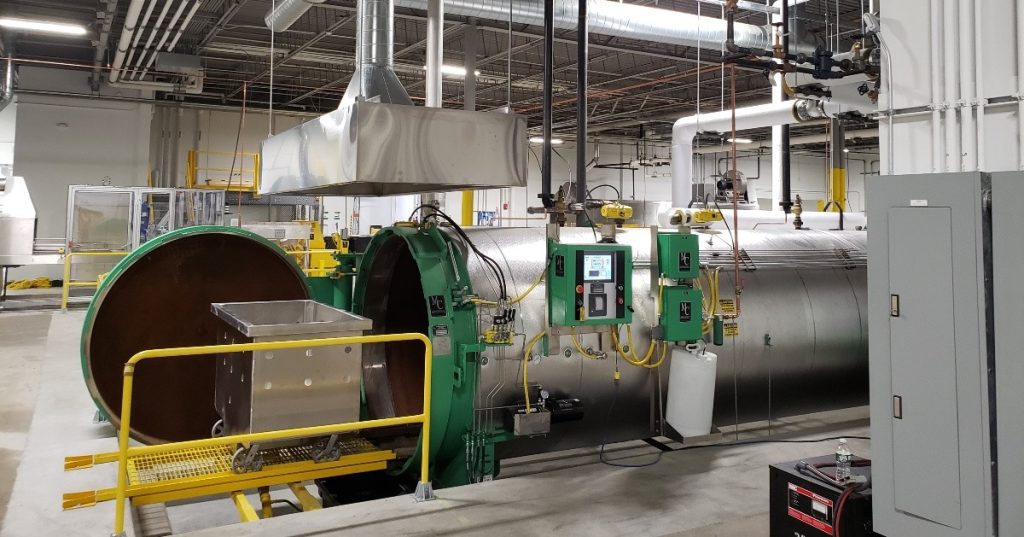
What Is a Medical Waste Autoclave and How Does It Work?
Every day, hospitals, clinics, and laboratories across the country generate hundreds of pounds of waste that cannot go anywhere near…
Read Article →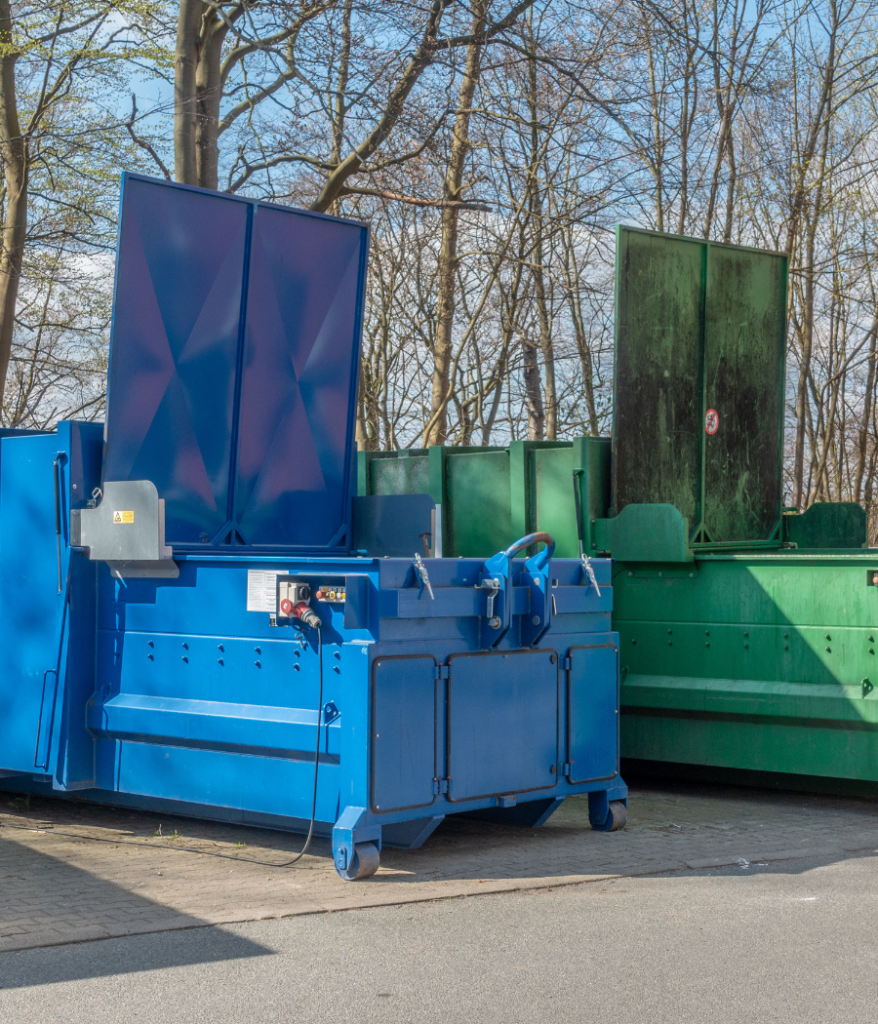
How a Garbage Compactor Works in Daily Operations Explained
Garbage Compactor Works in Daily Operations is a concept that has become increasingly relevant as businesses face mounting pressure to…
Read Article →